Mindfulness, the practice of being present and aware of one’s thoughts, feelings, and surroundings, is a universal concept that takes on various forms across cultures. From ancient traditions to modern adaptations, cultures around the world have integrated mindfulness practices into their daily lives, each offering unique insights and techniques for cultivating a mindful existence.
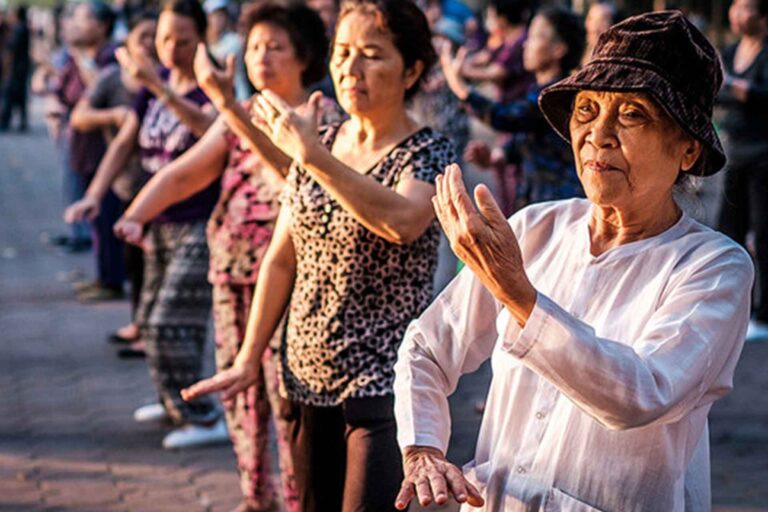
In Eastern cultures, particularly in countries like India, China, and Japan, mindfulness has deep roots in ancient philosophies and spiritual traditions. Practices such as meditation, yoga, and tai chi have been integral to these cultures for centuries, offering pathways to inner peace, clarity, and spiritual growth.
In the Western world, mindfulness has gained popularity in recent decades, largely influenced by Eastern teachings. Mindfulness-based practices, including Mindfulness-Based Stress Reduction (MBSR) and Mindfulness-Based Cognitive Therapy (MBCT), have been integrated into mental health treatments and everyday routines, emphasizing awareness and non-judgmental acceptance.
Indigenous cultures across the globe often exhibit mindfulness through their deep connection with nature. Practices such as smudging ceremonies among Native American tribes or bushwalks in Aboriginal traditions emphasize grounding, presence, and reverence for the natural world.
In Japan, the principles of mindfulness are intricately woven into cultural practices like the tea ceremony (sado) associated with Zen Buddhism. The meticulous preparation and consumption of tea serve as a meditative ritual, promoting focus, tranquility, and a sense of harmony.
In some cultures, mindfulness is not confined to formal practices but seamlessly integrated into everyday activities. For instance, in Mediterranean cultures like Italy or Greece, the concept of “dolce far niente” or “the sweetness of doing nothing” emphasizes savoring moments of leisure without rush or distraction, a form of mindfulness in leisure.
African cultures often embrace mindfulness through rhythmic activities like drumming, dance, and storytelling. These traditions foster communal mindfulness, connecting individuals with their heritage and creating a collective present-moment experience.
While the practices vary, the essence of mindfulness remains consistent: cultivating awareness, presence, and a deeper connection with oneself and the world. Whether through formal meditation, movement, communal rituals, or simple daily activities, cultures worldwide offer rich and diverse perspectives on embracing mindfulness in daily life.
Across continents and traditions, the fundamental essence of mindfulness transcends cultural boundaries. It serves as a beacon, guiding individuals towards a more conscious, centered, and compassionate existence. Embracing the multitude of cultural approaches to mindfulness fosters a deeper understanding of the human experience, inviting individuals to explore and incorporate diverse practices into their own lives for greater well-being and inner peace.