

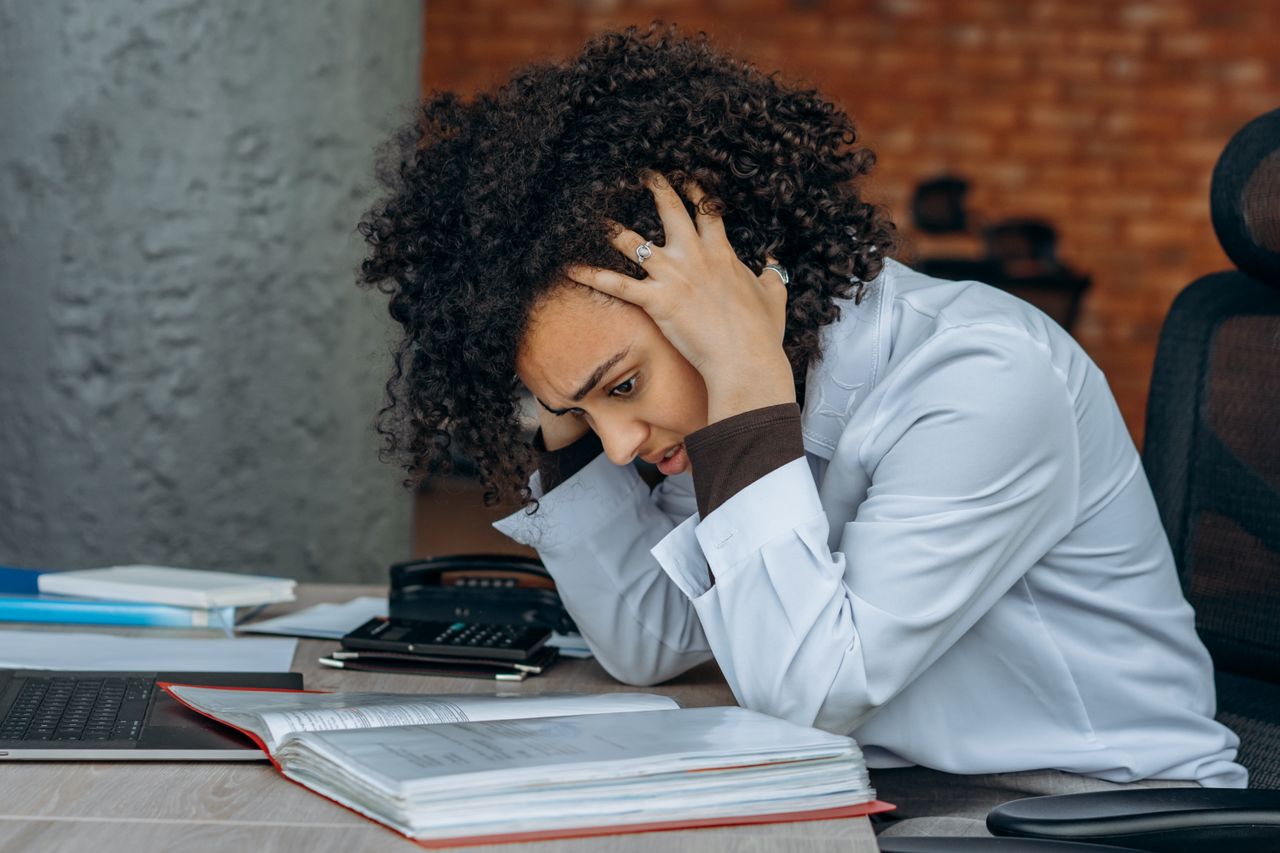
Stress is often treated like an emotional problem, but it is also a physical one. When stress becomes chronic, the body can remain flooded with stress hormones for too long. Mayo Clinic notes that too much exposure to cortisol and other stress hormones can disrupt almost all of the body’s processes and increase the risk of health problems.
The danger is that stress damage is often quiet. Many people do not collapse all at once. Instead, their body sends small warnings. One of the earliest signs of chronic stress is waking up tired. Stress can make it harder to fall asleep, stay asleep, or reach deep rest. Sleep deficiency can affect alertness, work, school, driving, and social functioning.
Tight shoulders, clenched jaws, neck pain, and headaches can be signs that your body is carrying stress physically. When the nervous system stays activated, muscles may remain tense even when there is no immediate threat.
Stress can affect appetite, digestion, nausea, bloating, and bowel habits. This happens because the gut and brain are closely connected. When the brain senses danger, digestion may become less of a priority.
Chronic stress can disrupt immune function. A 2024 review in the NIH’s PubMed Central database reported that chronic stress can significantly affect the immune system through stress-response pathways. If you seem to catch every cold or take longer to recover, stress may be one piece of the puzzle.

Stress narrows emotional capacity. Small problems feel larger. Normal requests feel like pressure. You may snap at people you love, not because you do not care, but because your system is overloaded.
Chronic stress can affect working memory, self-control, and goal-directed behavior. Research on the brain under stress shows that the prefrontal cortex, which supports planning and self-regulation, is vulnerable to stress-related changes.
This is one of the most common stress patterns. Your body feels tired, but your mind will not slow down. You may scroll, snack, clean, worry, or keep working because rest feels uncomfortable.
Stress can raise heart rate and blood pressure. Mental stress has also been identified as a risk and prognostic factor for coronary artery disease and stroke.
Chest pain, severe shortness of breath, fainting, or sudden weakness should be treated as urgent medical symptoms.
More alcohol, more caffeine, more sugar, more nicotine, or more late-night scrolling can be signs that your body is trying to regulate stress. These habits may bring short relief but often worsen sleep, mood, and energy.
The biggest warning sign is often subtle: you stop feeling present in your own life. You laugh less. You avoid people. You feel numb, impatient, or emotionally flat.
Start with small recovery habits. Walk daily. Protect sleep. Eat regular meals. Reduce unnecessary notifications. Talk to someone you trust. The CDC reports that physical activity can reduce short-term feelings of anxiety in adults and support better sleep. Stress is not weakness. It is information. When your body keeps sending warnings, the healthiest response is not to push harder. It is to listen sooner.