


Social media used to be something people checked during free time. Now it follows many people from morning to night. It shapes news, friendships, dating, business, entertainment, identity, and even self-worth. The concern is not that social media is always bad. It can help people connect, learn, build communities, and share opportunities. The concern is overload: too much use, too little rest, and too much emotional comparison.
The U.S. Surgeon General’s advisory on social media and youth mental health reported that up to 95% of youth ages 13 to 17 use a social media platform, and more than one-third say they use social media “almost constantly.”
Social media overload can affect the brain in several ways. First, it fragments attention. The feed never ends. There is always another video, post, comment, argument, or headline. Second, it increases comparison. People compare their normal life to someone else’s edited highlight reel. This can create feelings of failure, loneliness, jealousy, or not being attractive, successful, or interesting enough.
Third, it can make rest feel boring. When the brain becomes used to constant stimulation, silence can feel uncomfortable. That can make people reach for the phone even when they are already overwhelmed. A 2025 JAMA Network Open study found that more time spent on social media during early adolescence may contribute to increased depressive symptoms over time.
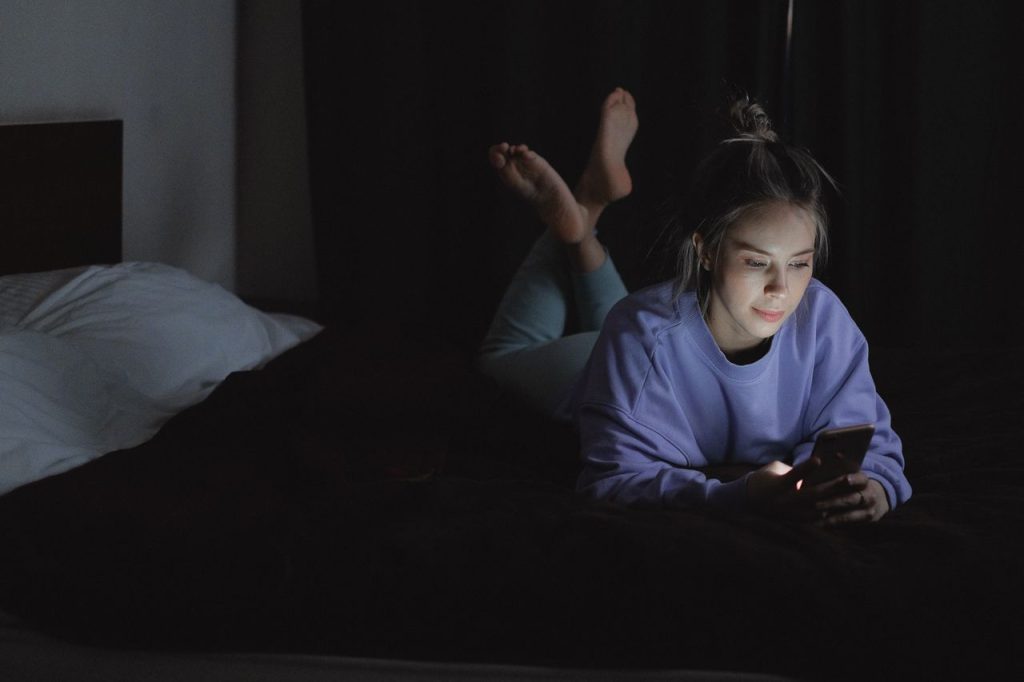
Another JAMA Network Open study found that a one-week social media detox intervention was linked with reductions in anxiety, depression, and insomnia symptoms among young adults. These findings do not mean every person must delete every app. But they do suggest that the relationship between social media and mental health deserves serious attention.
Social media mixes entertainment with social judgment. A person may open an app to relax but quickly encounter political conflict, tragic news, body-image content, luxury lifestyles, public arguments, or posts that make them feel behind in life. The nervous system does not always know the difference between a real-life threat and an online emotional trigger. A cruel comment, public embarrassment, or viral conflict can create real stress.
For younger users, the risk can be greater because identity, confidence, impulse control, and emotional regulation are still developing. The CDC notes that the number of adolescents reporting poor mental health is increasing and that strong bonds with families and schools can protect mental health.
You may be dealing with social media overload if you feel worse after scrolling, check apps without thinking, lose sleep to your phone, compare yourself constantly, feel anxious when you cannot check notifications, or struggle to focus on offline life. Another warning sign is emotional whiplash. In ten minutes, you may laugh at a meme, feel angry at the news, compare your body to a stranger, worry about money, and then watch a tragedy. That is a lot for the brain to process.
Start by noticing how each platform makes you feel. Not all apps affect you the same way. Unfollow accounts that trigger shame, fear, or constant comparison. Set app limits. Avoid social media during the first hour of the morning and before bed. Create “purpose-based use.” Before opening an app, ask: Am I here to post, learn, connect, or escape? If you are only escaping, choose a healthier reset first: walk, stretch, breathe, journal, call someone, or step outside.
Social connection offline is also protective. The CDC reports that social connection can improve stress management, anxiety, depression, healthy habits, physical activity, and sleep quality.
Social media is not just technology. It is an emotional environment. Like any environment, it can nourish you or drain you. The goal is not fear. The goal is awareness. Your attention is part of your health. Protect it like it matters—because it does.