

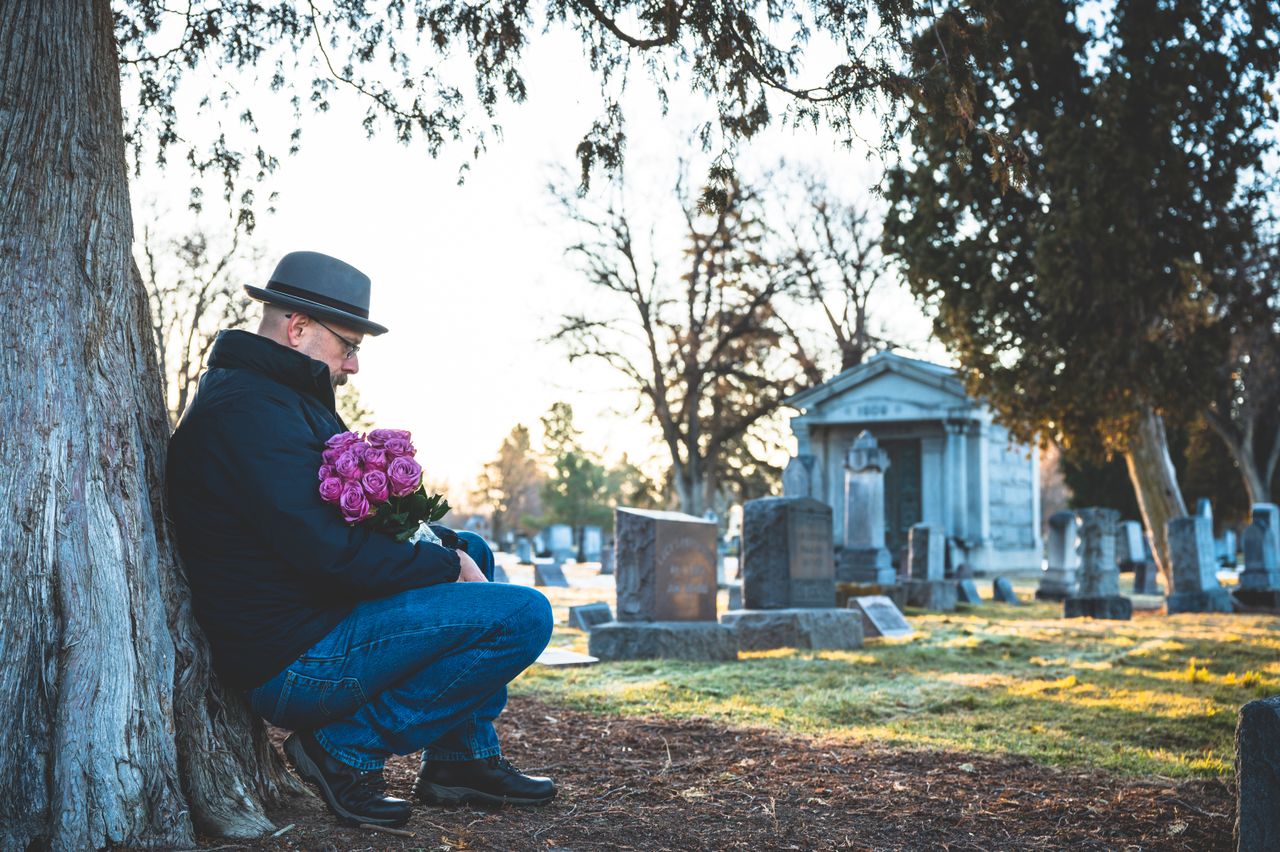
Loneliness is often treated like a private sadness. But research increasingly shows that loneliness and social isolation are public health concerns. The CDC says social isolation and loneliness are widespread problems in the United States and pose a serious threat to mental and physical health. About 1 in 3 U.S. adults report feeling lonely, and about 1 in 4 report lacking social and emotional support. This matters because humans are biologically social. Connection is not a luxury. It helps regulate stress, behavior, sleep, mood, and even physical health.
Loneliness can keep the body in a state of stress. When people feel unsupported or disconnected, the brain may interpret life as less safe. That can increase vigilance, worsen sleep, and make daily problems feel heavier. Over time, social disconnection may influence inflammation, heart health, immune function, and mental health. The CDC lists social isolation and loneliness as risk factors for heart disease and stroke, type 2 diabetes, depression and anxiety, suicidality and self-harm, dementia, and earlier death.

Loneliness can affect anyone, but older adults may face unique risks. Retirement, loss of a spouse, adult children moving away, health problems, hearing loss, mobility issues, and reduced transportation can all shrink a person’s social world. The danger is that isolation can become self-reinforcing. The less someone sees people, the harder it may feel to reach out. Confidence drops. Routines fade. The person may begin to believe they are a burden, even when others would gladly connect.
Loneliness is not the same as being alone. Some people enjoy solitude and feel emotionally full. Others are surrounded by people but still feel unseen. That means the solution is not simply “be around more people.” The real goal is meaningful connection. A person needs relationships where they feel known, valued, and safe. Social media does not always solve this. Online interaction can help, especially for people with limited mobility or niche communities. But passive scrolling may also increase comparison and leave people feeling more disconnected.
Loneliness and depression can feed each other. A lonely person may withdraw. Withdrawal can deepen sadness. Sadness can make outreach feel exhausting. The loop continues. The CDC says social connection can improve the ability to manage stress, anxiety, and depression, and can also support sleep, physical activity, and healthier eating habits. This is why loneliness prevention should be part of wellness, not an afterthought.
Start small. Call one person. Attend one community event. Join a walking group, church group, class, volunteer project, senior center, or hobby club. The goal is not instant friendship. The goal is repeated contact. Repeated contact builds familiarity. Familiarity builds trust. Trust builds connection.
For seniors, practical support matters too. Transportation, hearing aids, accessible spaces, and technology help can make social life easier. Families should not assume that a short text is enough. Phone calls, visits, shared meals, and regular check-ins matter. Loneliness is not only an individual problem. Communities can design for connection. Parks, libraries, faith groups, neighborhood events, community gardens, and senior programs can all reduce isolation. Doctors and health systems can also ask about loneliness during routine visits. A person’s social life may be as relevant to health as diet, sleep, or exercise.
Loneliness hurts because connection is part of human survival. The body knows when it feels unsupported. The surprising link between loneliness and early death is really a reminder: people need people. Strong relationships are not just good for happiness. They are part of health itself.