

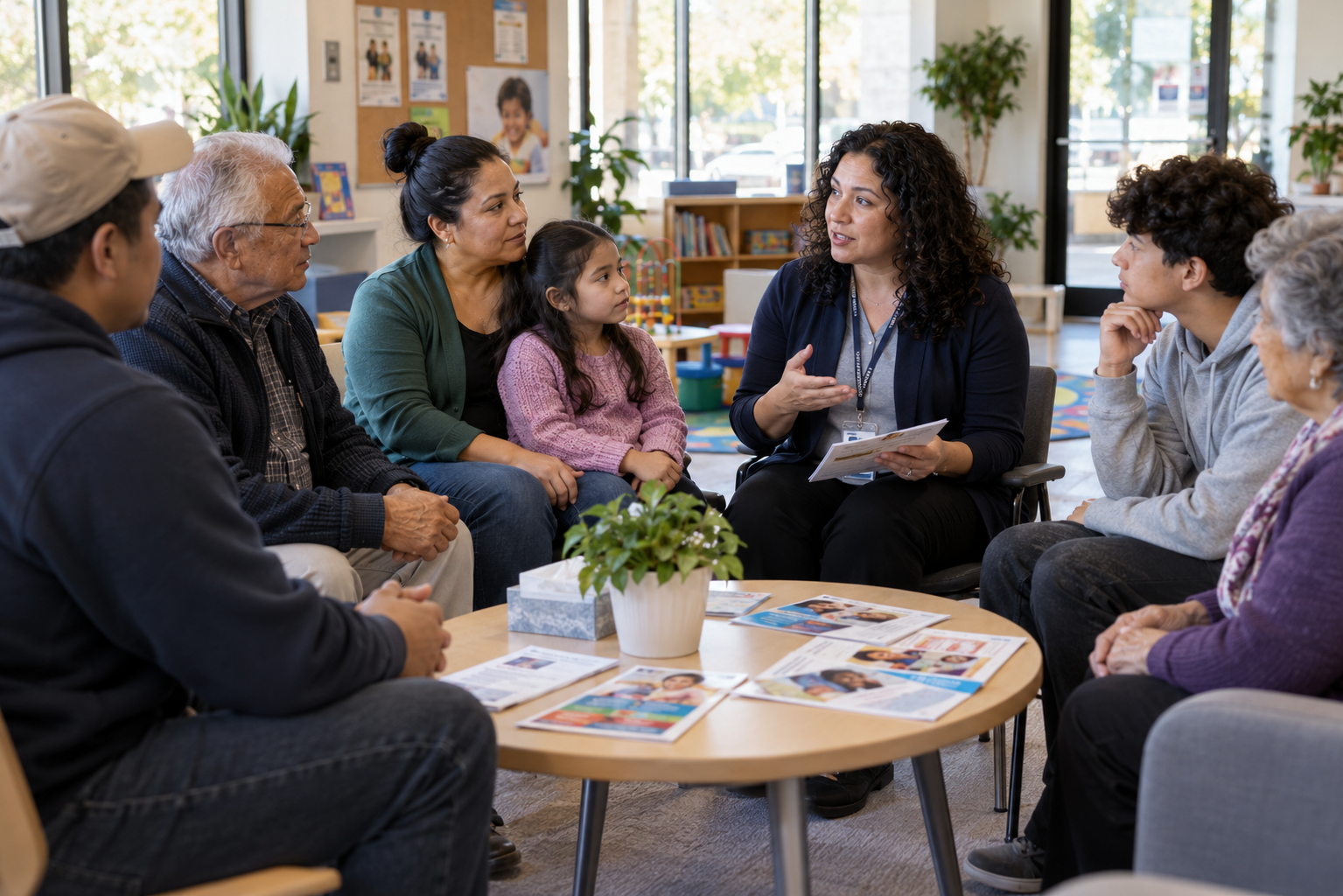
A disease outbreak tests more than a healthcare system. It tests whether people trust the advice they receive, whether community members can ask questions without embarrassment and whether accurate information travels as quickly as rumors. Rising measles numbers in the United States have placed those questions back in the spotlight. The cultural dimension matters because families often encounter health advice through relatives, social networks, faith communities and online personalities long before they speak with a clinician.
On October 16, 2026, Reuters reported a CDC count of 4,410 measles cases nationwide as of October 15, up 330 from the prior update. That is a time-specific surveillance figure, not a prediction of future cases. Measles is highly contagious, and public health officials use case reporting to identify outbreaks and guide responses. Local conditions can differ substantially, so readers should check their state or county health department for current exposure notices. Rising numbers do not establish that any particular community caused an outbreak, and assigning blame can make cooperation more difficult.
Misinformation spreads for several reasons. Emotional stories are memorable, personal anecdotes feel convincing and a confusing official message may create space for speculation. People may also have legitimate questions about schedules, access, side effects or past experiences with healthcare institutions. These concerns deserve respectful answers rather than ridicule. A useful conversation begins by distinguishing what someone has personally experienced from what systematic research and current public health guidance show. Trust is strengthened by clarity, consistency and practical access to care—not just by repeating a slogan.
If you encounter a dramatic claim about measles, first locate its original source and publication date. Check whether the claim cites an official health department, a peer-reviewed study or merely an anonymous social post. Look for numerical context, including where the cases occurred and when the count was measured. Ask a healthcare professional to review vaccination records if you are uncertain about protection. Community organizations can help by sharing translated, accessible guidance and by directing residents to credible local services. Avoid forwarding an alarming message until you verify it, even when the sender is someone you trust.
When a friend shares an uncertain health claim, a respectful response often works better than an argument. Ask where the information came from, whether its date is clear and what would change their mind. Separate the person’s concern from the accuracy of the claim. You can acknowledge that a health decision is personal while insisting that its consequences deserve reliable information. People may need time and support to reconsider an idea. Clear sources, patient listening and access to appropriate professionals are more constructive than public shaming.
The goal of communication during an outbreak should be practical protection, not cultural division. Public health information works best when it respects people and acknowledges uncertainty where it exists. UnWellBeing explores the ways culture and relationships shape health decisions. Follow our coverage for accessible explanations, and consider sharing verified local health resources instead of recycled screenshots when friends or relatives ask about measles.