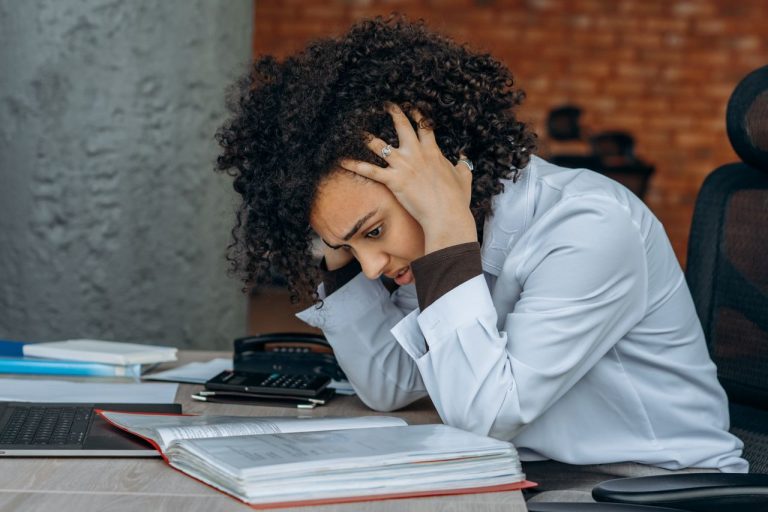
Most people do not think of a phone notification as a stress trigger. It feels small: a buzz, a ding, a banner, a badge. But when those alerts happen dozens or even hundreds of times a day, the brain begins to live in a state of interruption.
Modern anxiety is not always caused by one major crisis. For many people, it is built from thousands of tiny moments of alertness. A message arrives. An email needs a reply. A news headline looks urgent. A social media comment asks for attention. Over time, the nervous system can start acting as if something important is always about to happen.
Research has found that smartphone notifications can affect cognitive control and attention, meaning they do not simply interrupt what you are doing; they can also make it harder to return to focus afterward.
Human beings were not designed to be reachable every minute of the day. For most of history, attention moved in slower cycles. Work, rest, conversation, sleep, and solitude had natural boundaries. Smartphones removed many of those boundaries.
The American Psychological Association reported that people who constantly check devices tend to report higher stress than those who do not check as often. This matters because anxiety often grows when the brain has too few moments of true recovery.
Notifications train the mind to anticipate interruption. Even when the phone is silent, many people still feel the urge to check it. That anticipation can create a low-level state of tension: “Did I miss something? Is someone waiting on me? What if something important happened?”
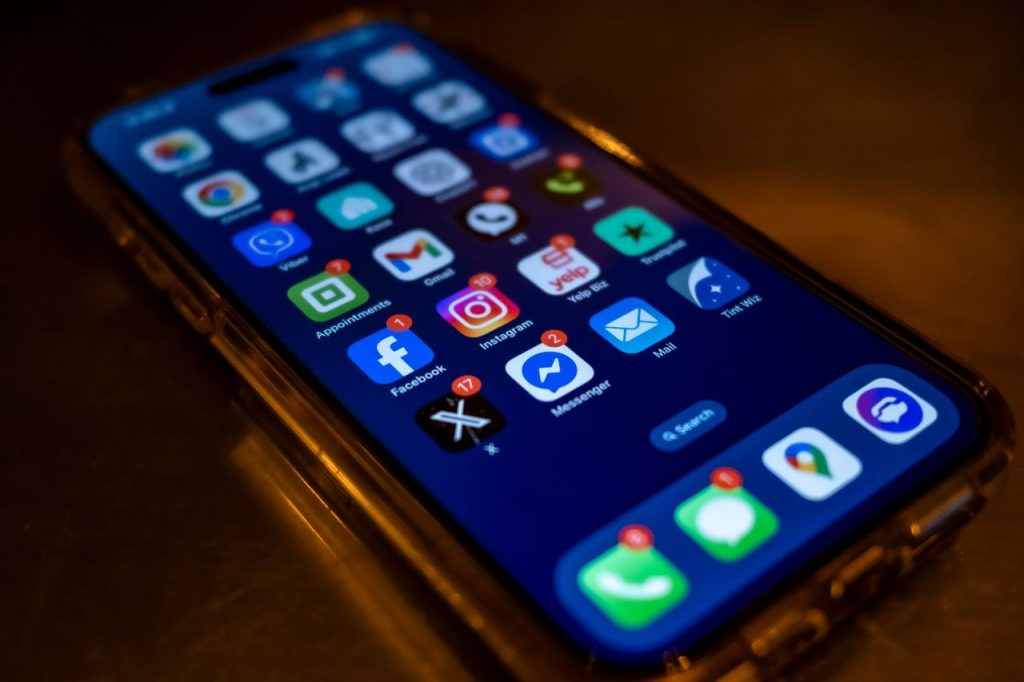

Notifications are powerful because they are unpredictable. Sometimes the alert is meaningless. Sometimes it is exciting, stressful, emotional, or urgent. That randomness keeps the brain engaged.
This is one reason people check their phones even when they do not want to. The habit is not just about information. It is about the possibility of information. Each notification offers a tiny chance of reward, conflict, validation, or danger.
Over time, this can create a loop: notification, reaction, checking, relief, then waiting for the next alert. For someone already prone to worry, this loop can make anxiety worse.
The mental health issue is not only screen time. It is fragmented time. One study on notification-related interruptions found that reducing interruptions was beneficial for performance and helped reduce strain.
That explains why many people feel exhausted even after “doing nothing” on their phones. The brain has been switching tasks constantly: text, email, video, news, work app, social media, then back to real life. This kind of switching drains attention and can leave people feeling mentally scattered.
When focus breaks all day, the body may also struggle to fully relax at night. That can affect sleep, and poor sleep can worsen anxiety. The National Heart, Lung, and Blood Institute notes that sleep deficiency can interfere with work, school, driving, and social functioning.
The goal is not to throw away your phone. The goal is to stop letting your phone set the emotional rhythm of your day. Start by turning off nonessential notifications. Keep calls, family messages, calendar alerts, and true work necessities. Silence everything else. Then create phone-free zones: meals, the first 30 minutes after waking, the last hour before bed, and focused work periods.
Batch checking can also help. Instead of responding every time something appears, check messages at set times. This teaches your brain that not every alert deserves immediate attention.
Physical activity can also reduce anxiety. The CDC says regular physical activity can reduce the risk of depression and anxiety and help people sleep better.
Constant notifications create a world where the brain rarely feels finished. There is always another message, another update, another signal. Anxiety grows in that unfinished space. Peace does not always require a vacation or a major life change. Sometimes it begins with reclaiming your attention, one notification at a time.