Author

UnWellBeing

Browsing

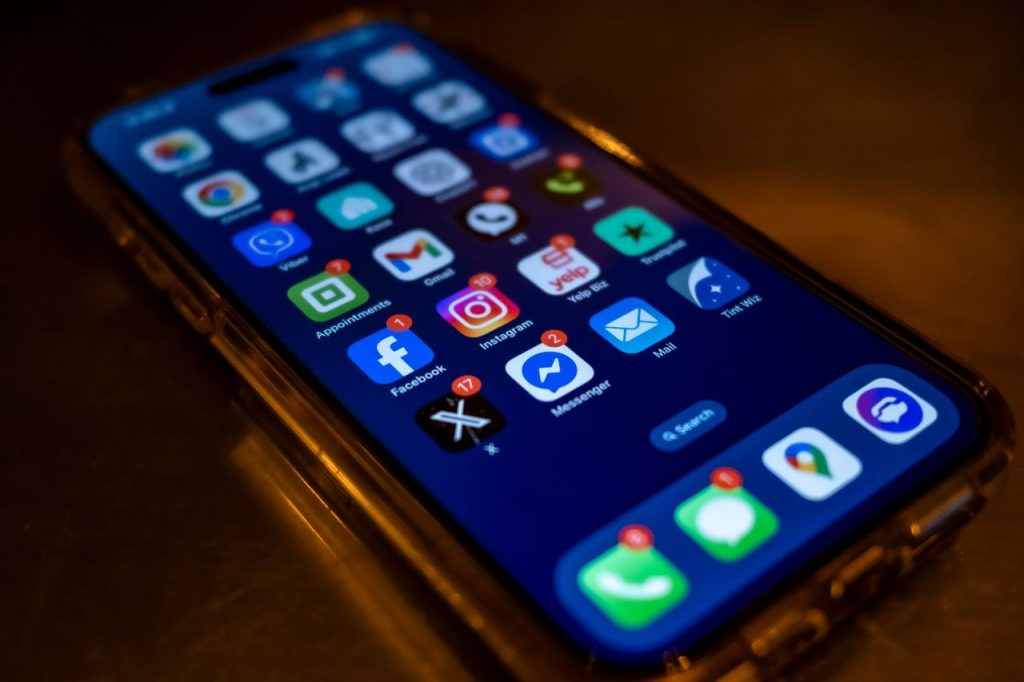
Most people do not think of a phone notification as a stress trigger. It feels small: a buzz, a ding, a banner, a badge. But when those alerts happen dozens or even hundreds of times a day, the brain begins to live in a state of interruption.

Modern anxiety is not always caused by one major crisis. For many people, it is built from thousands of tiny moments of alertness. A message arrives. An email needs a reply. A news headline looks urgent. A social media comment asks for attention. Over time, the nervous system can start acting as if something important is always about to happen.

Research has found that smartphone notifications can affect cognitive control and attention, meaning they do not simply interrupt what you are doing; they can also make it harder to return to focus afterward.

Human beings were not designed to be reachable every minute of the day. For most of history, attention moved in slower cycles. Work, rest, conversation, sleep, and solitude had natural boundaries. Smartphones removed many of those boundaries.

The American Psychological Association reported that people who constantly check devices tend to report higher stress than those who do not check as often. This matters because anxiety often grows when the brain has too few moments of true recovery.

Notifications train the mind to anticipate interruption. Even when the phone is silent, many people still feel the urge to check it. That anticipation can create a low-level state of tension: “Did I miss something? Is someone waiting on me? What if something important happened?”

Notifications are powerful because they are unpredictable. Sometimes the alert is meaningless. Sometimes it is exciting, stressful, emotional, or urgent. That randomness keeps the brain engaged.

This is one reason people check their phones even when they do not want to. The habit is not just about information. It is about the possibility of information. Each notification offers a tiny chance of reward, conflict, validation, or danger.

Over time, this can create a loop: notification, reaction, checking, relief, then waiting for the next alert. For someone already prone to worry, this loop can make anxiety worse.

The mental health issue is not only screen time. It is fragmented time. One study on notification-related interruptions found that reducing interruptions was beneficial for performance and helped reduce strain.

That explains why many people feel exhausted even after “doing nothing” on their phones. The brain has been switching tasks constantly: text, email, video, news, work app, social media, then back to real life. This kind of switching drains attention and can leave people feeling mentally scattered.

When focus breaks all day, the body may also struggle to fully relax at night. That can affect sleep, and poor sleep can worsen anxiety. The National Heart, Lung, and Blood Institute notes that sleep deficiency can interfere with work, school, driving, and social functioning.

The goal is not to throw away your phone. The goal is to stop letting your phone set the emotional rhythm of your day. Start by turning off nonessential notifications. Keep calls, family messages, calendar alerts, and true work necessities. Silence everything else. Then create phone-free zones: meals, the first 30 minutes after waking, the last hour before bed, and focused work periods.

Batch checking can also help. Instead of responding every time something appears, check messages at set times. This teaches your brain that not every alert deserves immediate attention.

Physical activity can also reduce anxiety. The CDC says regular physical activity can reduce the risk of depression and anxiety and help people sleep better.

Constant notifications create a world where the brain rarely feels finished. There is always another message, another update, another signal. Anxiety grows in that unfinished space. Peace does not always require a vacation or a major life change. Sometimes it begins with reclaiming your attention, one notification at a time.

Social media used to be something people checked during free time. Now it follows many people from morning to night. It shapes news, friendships, dating, business, entertainment, identity, and even self-worth. The concern is not that social media is always bad. It can help people connect, learn, build communities, and share opportunities. The concern is overload: too much use, too little rest, and too much emotional comparison.

The U.S. Surgeon General’s advisory on social media and youth mental health reported that up to 95% of youth ages 13 to 17 use a social media platform, and more than one-third say they use social media “almost constantly.”

Social media overload can affect the brain in several ways. First, it fragments attention. The feed never ends. There is always another video, post, comment, argument, or headline. Second, it increases comparison. People compare their normal life to someone else’s edited highlight reel. This can create feelings of failure, loneliness, jealousy, or not being attractive, successful, or interesting enough.

Third, it can make rest feel boring. When the brain becomes used to constant stimulation, silence can feel uncomfortable. That can make people reach for the phone even when they are already overwhelmed. A 2025 JAMA Network Open study found that more time spent on social media during early adolescence may contribute to increased depressive symptoms over time.

Another JAMA Network Open study found that a one-week social media detox intervention was linked with reductions in anxiety, depression, and insomnia symptoms among young adults. These findings do not mean every person must delete every app. But they do suggest that the relationship between social media and mental health deserves serious attention.

Social media mixes entertainment with social judgment. A person may open an app to relax but quickly encounter political conflict, tragic news, body-image content, luxury lifestyles, public arguments, or posts that make them feel behind in life. The nervous system does not always know the difference between a real-life threat and an online emotional trigger. A cruel comment, public embarrassment, or viral conflict can create real stress.

For younger users, the risk can be greater because identity, confidence, impulse control, and emotional regulation are still developing. The CDC notes that the number of adolescents reporting poor mental health is increasing and that strong bonds with families and schools can protect mental health.

You may be dealing with social media overload if you feel worse after scrolling, check apps without thinking, lose sleep to your phone, compare yourself constantly, feel anxious when you cannot check notifications, or struggle to focus on offline life. Another warning sign is emotional whiplash. In ten minutes, you may laugh at a meme, feel angry at the news, compare your body to a stranger, worry about money, and then watch a tragedy. That is a lot for the brain to process.

Start by noticing how each platform makes you feel. Not all apps affect you the same way. Unfollow accounts that trigger shame, fear, or constant comparison. Set app limits. Avoid social media during the first hour of the morning and before bed. Create “purpose-based use.” Before opening an app, ask: Am I here to post, learn, connect, or escape? If you are only escaping, choose a healthier reset first: walk, stretch, breathe, journal, call someone, or step outside.

Social connection offline is also protective. The CDC reports that social connection can improve stress management, anxiety, depression, healthy habits, physical activity, and sleep quality.

Social media is not just technology. It is an emotional environment. Like any environment, it can nourish you or drain you. The goal is not fear. The goal is awareness. Your attention is part of your health. Protect it like it matters—because it does.

Loneliness is often treated like a private sadness. But research increasingly shows that loneliness and social isolation are public health concerns. The CDC says social isolation and loneliness are widespread problems in the United States and pose a serious threat to mental and physical health. About 1 in 3 U.S. adults report feeling lonely, and about 1 in 4 report lacking social and emotional support. This matters because humans are biologically social. Connection is not a luxury. It helps regulate stress, behavior, sleep, mood, and even physical health.

Loneliness can keep the body in a state of stress. When people feel unsupported or disconnected, the brain may interpret life as less safe. That can increase vigilance, worsen sleep, and make daily problems feel heavier. Over time, social disconnection may influence inflammation, heart health, immune function, and mental health. The CDC lists social isolation and loneliness as risk factors for heart disease and stroke, type 2 diabetes, depression and anxiety, suicidality and self-harm, dementia, and earlier death.

Loneliness can affect anyone, but older adults may face unique risks. Retirement, loss of a spouse, adult children moving away, health problems, hearing loss, mobility issues, and reduced transportation can all shrink a person’s social world. The danger is that isolation can become self-reinforcing. The less someone sees people, the harder it may feel to reach out. Confidence drops. Routines fade. The person may begin to believe they are a burden, even when others would gladly connect.

Loneliness is not the same as being alone. Some people enjoy solitude and feel emotionally full. Others are surrounded by people but still feel unseen. That means the solution is not simply “be around more people.” The real goal is meaningful connection. A person needs relationships where they feel known, valued, and safe. Social media does not always solve this. Online interaction can help, especially for people with limited mobility or niche communities. But passive scrolling may also increase comparison and leave people feeling more disconnected.

Loneliness and depression can feed each other. A lonely person may withdraw. Withdrawal can deepen sadness. Sadness can make outreach feel exhausting. The loop continues. The CDC says social connection can improve the ability to manage stress, anxiety, and depression, and can also support sleep, physical activity, and healthier eating habits. This is why loneliness prevention should be part of wellness, not an afterthought.

Start small. Call one person. Attend one community event. Join a walking group, church group, class, volunteer project, senior center, or hobby club. The goal is not instant friendship. The goal is repeated contact. Repeated contact builds familiarity. Familiarity builds trust. Trust builds connection.

For seniors, practical support matters too. Transportation, hearing aids, accessible spaces, and technology help can make social life easier. Families should not assume that a short text is enough. Phone calls, visits, shared meals, and regular check-ins matter. Loneliness is not only an individual problem. Communities can design for connection. Parks, libraries, faith groups, neighborhood events, community gardens, and senior programs can all reduce isolation. Doctors and health systems can also ask about loneliness during routine visits. A person’s social life may be as relevant to health as diet, sleep, or exercise.

Loneliness hurts because connection is part of human survival. The body knows when it feels unsupported. The surprising link between loneliness and early death is really a reminder: people need people. Strong relationships are not just good for happiness. They are part of health itself.

The brain is not fixed. It changes based on what you repeatedly do, feel, and experience. This ability is called neuroplasticity. It helps people learn, recover, grow, and adapt. But there is a downside: the brain can also adapt to stress.

Modern life gives the brain a steady stream of alerts, deadlines, bills, bad news, comparison, noise, screens, and uncertainty. For many people, anxiety is not coming from one thing. It is coming from an environment that repeatedly trains the nervous system to stay on guard.

The brain has systems that help detect danger and systems that help regulate emotion. When stress is occasional, the body can respond and then recover. But when stress is constant, the recovery phase gets shorter.  Research on chronic stress shows that stress can reshape neural connections in brain regions involved in memory, fear, and emotional regulation, including the hippocampus, amygdala, and prefrontal cortex.

The prefrontal cortex helps with planning, focus, self-control, and decision-making. Under stress, this part of the brain may become less effective, while fear-based responses become stronger. That can make a person more reactive, more worried, and less able to calm down.

Anxiety grows when the brain believes it must constantly scan for danger. Modern technology can strengthen that habit. News alerts warn of crisis. Work apps signal urgency. Social media exposes people to conflict, comparison, and judgment. Emails arrive at night. Messages demand quick replies. Even silence can feel suspicious.

Smartphone notifications have been shown to affect attention and cognitive control. This means the brain is not simply receiving information. It is being trained to break focus again and again. Sleep is one of the brain’s main repair systems. When sleep suffers, emotional regulation suffers too. The National Heart, Lung, and Blood Institute notes that sleep deficiency can interfere with daily functioning and leave people feeling unrefreshed and tired during the day.

Stress can harm sleep, and poor sleep can make stress harder to handle. This creates a cycle: anxious brain, poor sleep, weaker emotional control, more anxiety. Modern life also exposes people to nonstop comparison. Someone else is richer, fitter, happier, more successful, more attractive, or more productive. Even when people know social media is edited, the emotional brain still reacts.

Social comparison can create a feeling of falling behind. The brain reads this as social threat: “I am not enough. I do not belong. I am losing status.” For a social species, that can feel deeply unsafe. The good news is that the brain can change in both directions. If repeated stress trains anxiety, repeated safety can train calm.

Start with your inputs. Reduce unnecessary notifications. Limit “doomscrolling”. Create screen-free time before bed. Spend more time in natural light and physical movement.

Physical activity is one of the strongest everyday tools. The CDC reports that regular physical activity can reduce anxiety and depression risk and help sleep. Connection also matters. The CDC says social connection can improve stress management, anxiety, depression, sleep quality, physical activity, and healthy eating habits.

Breathing exercises, prayer, meditation, journaling, walking, therapy, and meaningful conversation all teach the nervous system something important: “I am safe right now.” At first, calm may feel boring or uncomfortable. That does not mean it is not working. It may mean your brain is used to stimulation. Stay with it.

Modern life can wire the brain for anxiety, but it does not have the final say. Your habits are also signals. Your environment is also training. Your attention is also medicine. A calmer brain is not built overnight. It is built through repeated moments of safety, focus, rest, movement, and real human connection.

You went to bed at a reasonable hour. You slept for eight hours. Yet when the alarm goes off, it feels like you’ve barely slept at all. If this sounds familiar, you’re far from alone. Research suggests that millions of adults regularly experience daytime fatigue despite getting what appears to be an adequate amount of sleep. Sleep experts are increasingly warning that the problem isn’t simply how long we sleep—it’s how well we sleep.

Modern life has created a strange paradox. We have access to more information about health than ever before, yet many people wake up feeling exhausted, foggy, irritable, and unmotivated. The hidden reason may not be a lack of sleep. Instead, it may be something far more complex: the quality, timing, and biological effectiveness of that sleep.

Understanding why this happens could be one of the most important steps toward improving your overall well-being.

Many people assume that eight hours of sleep automatically guarantees good health and energy. However, sleep quantity and sleep quality are not the same thing.

Poor sleep quality can result from stress, technology use, disrupted circadian rhythms, sleep disorders, nutritional deficiencies, and modern lifestyle habits.

Over time, poor-quality sleep can contribute to mental health problems, obesity, cardiovascular disease, weakened immunity, impaired productivity, and reduced quality of life.

This article explores:

  • Why eight hours isn’t always enough
  • The science of restorative sleep
  • How modern life disrupts sleep quality
  • Warning signs your sleep isn’t working
  • Long-term consequences of poor sleep
  • Practical strategies for better rest

For decades, health advice has focused heavily on sleep duration. The commonly recommended seven to nine hours of sleep for adults comes from extensive research showing that insufficient sleep increases the risk of numerous health problems. However, many people misunderstand this recommendation. Sleeping for eight hours does not automatically mean your brain and body completed the restorative processes they need.

Think of sleep like charging your phone.

If the charging cable is damaged, your phone may stay plugged in all night but still wake up partially charged. Similarly, your body can spend eight hours in bed while receiving only a fraction of the restorative benefits of healthy sleep.

Common complaints include:

  • Feeling exhausted upon waking
  • Brain fog
  • Difficulty concentrating
  • Afternoon crashes
  • Irritability
  • Low motivation
  • Increased cravings for sugar and caffeine

These symptoms often indicate that something is interfering with sleep quality.

The Science of Restorative Sleep

Sleep isn’t a single state.

It occurs in multiple stages that cycle throughout the night.

These stages include:

Light Sleep

This is the transition between wakefulness and deeper sleep.

Deep Sleep

Deep sleep is crucial for:

  • Physical recovery
  • Tissue repair
  • Immune function
  • Hormonal regulation

REM Sleep

Rapid Eye Movement (REM) sleep plays a critical role in:

  • Learning
  • Memory
  • Emotional processing
  • Mental recovery

According to research from organizations such as the NIH and Harvard Medical School, both deep sleep and REM sleep are essential for feeling refreshed.

You may spend eight hours in bed, but if stress, alcohol, sleep apnea, noise, or technology interruptions prevent you from reaching these deeper stages, your sleep becomes biologically inefficient.

The result is waking up tired despite sleeping long enough.

7 Things You Can Do Starting Today

  1. Get outside within 30 minutes of waking.
  2. Avoid screens one hour before bed.
  3. Maintain a consistent sleep schedule.
  4. Reduce caffeine after noon.
  5. Keep your bedroom cool and dark.
  6. Practice a relaxing bedtime routine.

Consult a healthcare provider if fatigue persists

One of the biggest misconceptions in modern health is that sleep is simply about counting hours. In reality, true restoration happens when the brain and body move through the right sleep stages at the right times. If you’re tired after eight hours of sleep, your body may be revealing something important about how modern life is affecting your health. The solution isn’t always more sleep. Often, it’s better sleep.

In an increasingly connected world, the paradox of feeling isolated or disconnected persists, affecting individuals across various walks of life. This sense of isolation can stem from a myriad of sources, ranging from personal circumstances to broader societal changes, and has significant implications for mental health.

Loneliness, as a subjective feeling of being alone regardless of the amount of social contact, can lead to ‘social isolation,’ where there is an objective lack of interaction with others. The ‘mental health impact’ of these experiences is profound, potentially leading to depression, anxiety, and other emotional disturbances.

woman in white long sleeve shirt
Photo by Yan Krukau on Pexels.com

Combatting feelings of isolation requires a multi-faceted approach. ‘Relationship building’ and ‘community engagement’ are crucial in fostering connections that can alleviate loneliness. This might involve participating in local events, joining interest-based groups, or volunteering, which can provide ‘volunteering opportunities’ to connect with others while contributing to the community.

For some, the digital age has exacerbated feelings of disconnection, leading to ‘digital disconnection.’ However, technology can also be a tool for connection. ‘Online communities’ and social media can offer spaces for individuals to share experiences and find support, though it’s essential to balance online interactions with face-to-face connections.

‘Support networks’ play a vital role in overcoming isolation. This includes friends, family, and professional support from therapists or counselors, who can provide strategies for ‘therapy and counseling’ to manage the emotional effects of loneliness.

‘Mindfulness and meditation’ along with ‘self-care practices’ are valuable for managing the internal aspects of feeling disconnected. These practices can help individuals foster a sense of inner peace and presence, reducing feelings of loneliness by enhancing one’s relationship with oneself.

Ultimately, feeling isolated or disconnected is a challenge that many face, but through intentional action towards building connections and seeking support, it is possible to overcome loneliness and foster a sense of belonging and emotional well-being.

Balancing familial responsibilities is a task that requires significant emotional and psychological effort. In today’s fast-paced world, individuals often find themselves overwhelmed by the demands of family life, which may include parenting, caregiving, household management, and maintaining relationships.

The mental health implications of managing familial responsibilities are profound. Stress can lead to issues such as ‘marital strain,’ ‘parental anxiety,’ ‘relationship conflicts,’ and ’emotional exhaustion.’ It’s essential to recognize the signs of stress and address them before they escalate into more serious mental health concerns.

photo of boy holding a snow globe
Photo by RDNE Stock project on Pexels.com

Coping strategies are crucial in managing the pressures of family life. Effective communication, ‘time management,’ and ‘problem-solving’ are key skills that can alleviate stress. Additionally, ‘self-care’ is vital; taking time for oneself is not selfish but a necessary aspect of maintaining one’s mental health.

For those with young children, ‘positive parenting techniques’ and ‘family routines’ can provide a sense of order and security, reducing stress for both parents and children. In contrast, those caring for aging relatives may need to explore ‘respite care’ options and ‘support networks’ to manage the demands of caregiving.

Access to ‘family therapy’ or ‘counseling services’ can be beneficial for addressing complex family issues and improving communication. ‘Support groups’ can also provide a sense of community and shared understanding, which is especially helpful for those feeling isolated in their familial responsibilities.

In conclusion, managing familial responsibilities is a multifaceted challenge that can significantly impact mental health. With the right strategies and support, individuals can navigate the complexities of family life in a way that promotes mental well-being for all family members.

Age-related stereotypes in the workplace can pose significant challenges for employees, affecting their job satisfaction, career advancement opportunities, and overall well-being. As the workforce becomes increasingly diverse in age, addressing and overcoming these stereotypes is crucial for fostering an inclusive and respectful work environment.

Ageism, or discrimination based on age, can manifest in various forms, from assumptions about an older employee’s ability to learn new technologies to biases against younger workers’ leadership capabilities. These stereotypes not only undermine individual employees but also limit the potential for ‘intergenerational collaboration,’ which can be a valuable asset in creative problem-solving and innovation.

To combat ageism, organizations can implement ‘bias training’ programs to raise awareness and change attitudes. ‘Inclusive hiring practices’ and ‘workplace policies’ that explicitly prohibit age discrimination are also essential for promoting age diversity.

man wearing a gray long sleeve shirt writing on a notebook
Photo by Tima Miroshnichenko on Pexels.com

For employees facing age-related stereotypes, ‘skill adaptation’ and ‘lifelong learning’ are key strategies for staying competitive in the job market. Engaging in ‘mentorship programs,’ either as mentors or mentees, can provide opportunities for knowledge exchange and challenge preconceived notions about age and ability.

‘Employee resource groups’ focused on age diversity can offer support and advocacy for workers of all ages, fostering a sense of community and belonging. Additionally, ‘self-advocacy’ is important for addressing biases directly and seeking fair treatment in ‘performance evaluation’ and ‘career development’ opportunities.

Leadership plays a critical role in setting the tone for an inclusive workplace culture. ‘Leadership diversity,’ including age diversity, can inspire employees and demonstrate the organization’s commitment to valuing contributions from workers of all ages.

Finally, maintaining ‘work-life balance’ and promoting ‘healthy aging’ are important for all employees, regardless of age. This includes access to ‘retirement planning’ resources and support for ’emotional resilience’ to navigate career transitions and personal growth.

In conclusion, facing age-related stereotypes at work requires a concerted effort from both individuals and organizations. By embracing age diversity, promoting lifelong learning, and advocating for inclusive practices, employees and employers can work together to overcome bias and build a more inclusive workplace.

Menopause and andropause are significant hormonal transition periods that affect women and men, respectively. These life stages can bring about various physical, emotional, and mental health challenges. Understanding and managing these changes is crucial for maintaining well-being during these transition periods.

Menopause typically occurs in women in their late 40s to early 50s and marks the end of menstrual cycles. It is characterized by symptoms such as ‘hot flashes,’ ‘mood swings,’ and ‘sleep disturbances.’ Andropause, often referred to as male menopause, involves a gradual decline in testosterone levels in men, usually during their 50s or later, and can result in ‘libido changes,’ ‘mood fluctuations,’ and ‘energy level decreases.’

woman holding a guitar
Photo by RDNE Stock project on Pexels.com

The ‘mental health impact’ of these transitions can be significant, with an increased risk of depression, anxiety, and mood disorders. ‘Cognitive effects,’ such as memory lapses or difficulty concentrating, can also be a concern. ‘Emotional support’ from family, friends, and healthcare professionals plays a critical role in navigating these changes.

Lifestyle modifications, including a balanced ‘diet and exercise’ regimen, are recommended to manage symptoms and promote ‘healthy aging.’ ‘Stress management’ techniques, such as mindfulness and relaxation exercises, can help alleviate emotional distress.

Hormone replacement therapy (HRT) is a treatment option for relieving menopause symptoms, but it’s important to discuss the benefits and risks with a healthcare provider. Similarly, men experiencing andropause symptoms may explore treatment options with their doctor.

Support groups and medical consultation provide valuable resources for individuals seeking advice and shared experiences. Engaging in ‘self-care practices’ and prioritizing one’s well-being is essential during these transition periods.

In conclusion, experiencing menopause or andropause is a natural part of aging, but it requires attention and care to navigate successfully. By understanding the symptoms, seeking appropriate medical advice, and adopting healthy lifestyle habits, individuals can manage these transitions effectively and maintain a high quality of life.

Adapting to physical changes, particularly those associated with aging or health conditions, can be a profound challenge for many individuals. These changes can impact daily functioning, independence, and overall quality of life, leading to a range of emotional responses and mental health concerns.

Physical changes can be gradual, such as those experienced during the natural aging process, or sudden, such as those resulting from an injury or medical condition. Aging might bring about decreased mobility, chronic pain, or other health issues that require adjustments in lifestyle and self-care routines. Such changes often necessitate a reevaluation of one’s identity and abilities, which can be a significant source of stress and anxiety.

The mental health impact of adapting to physical changes can manifest as feelings of loss, frustration, and sadness. Individuals may grieve for the loss of their previous capabilities and struggle with the need for assistive devices or dependence on others for daily tasks. This can lead to decreased self-esteem and a sense of vulnerability or helplessness.

Coping with these changes requires resilience and a supportive environment. Mental health professionals can play a crucial role in helping individuals navigate this transition. Through therapy, individuals can explore their feelings, develop coping strategies, and work on building a new sense of self that incorporates their current abilities and limitations.

joyful adult daughter greeting happy surprised senior mother in garden
Photo by Andrea Piacquadio on Pexels.com

One effective approach is Cognitive Behavioral Therapy (CBT), which can help individuals adjust their thought patterns and behaviors to better manage the emotional responses to their physical changes. Another vital component is social support, which can come from family, friends, support groups, or community resources. Social connections can provide emotional support, practical assistance, and a sense of belonging, all of which are crucial for mental well-being.

Physical rehabilitation and occupational therapy can also be essential for adapting to physical changes. These therapies can help individuals improve their functional abilities, learn to use adaptive equipment, and make modifications to their home and work environments to enhance independence and safety.

In conclusion, difficulty adapting to physical changes is a multifaceted issue that affects both physical and mental health. Addressing the psychological aspects of this adaptation is as crucial as managing the physical ones. With appropriate support and interventions, individuals can find new ways to live fulfilling lives, despite the challenges posed by physical changes.